



Maritime Injury Lawyers
Dedicated to the success of our clients.
Maritime lawyers Douglas Williams and Nick Neidzwski at BoatLaw, LLP have worked hard for
decades on behalf of clients injured aboard ships of all sizes and classes. Formed in 1977, this firm is proud of its consistent track record of success for its clients for over 45 years. At BoatLaw, LLP, you will find a legal team, including each of the attorneys, that share a lifelong love of the sea.
If you were injured in an accident on a fishing vessel, tug, barge, oil rig, or another type of
seagoing vessel, then you need an advocate on your side who has the experience to represent your rights against the largest of companies.
More importantly, you need an admiralty lawyer who understands your way of life because they have a passion for the maritime industry. At BoatLaw, LLP you will always be represented by a highly experienced maritime lawyer with a strong track record of success. We proudly represent maritime workers in California, Alaska, Oregon, and Washington.
Real Clients. Real Stories.
Hear from some of our past clients about their experiences working with BoatLaw.
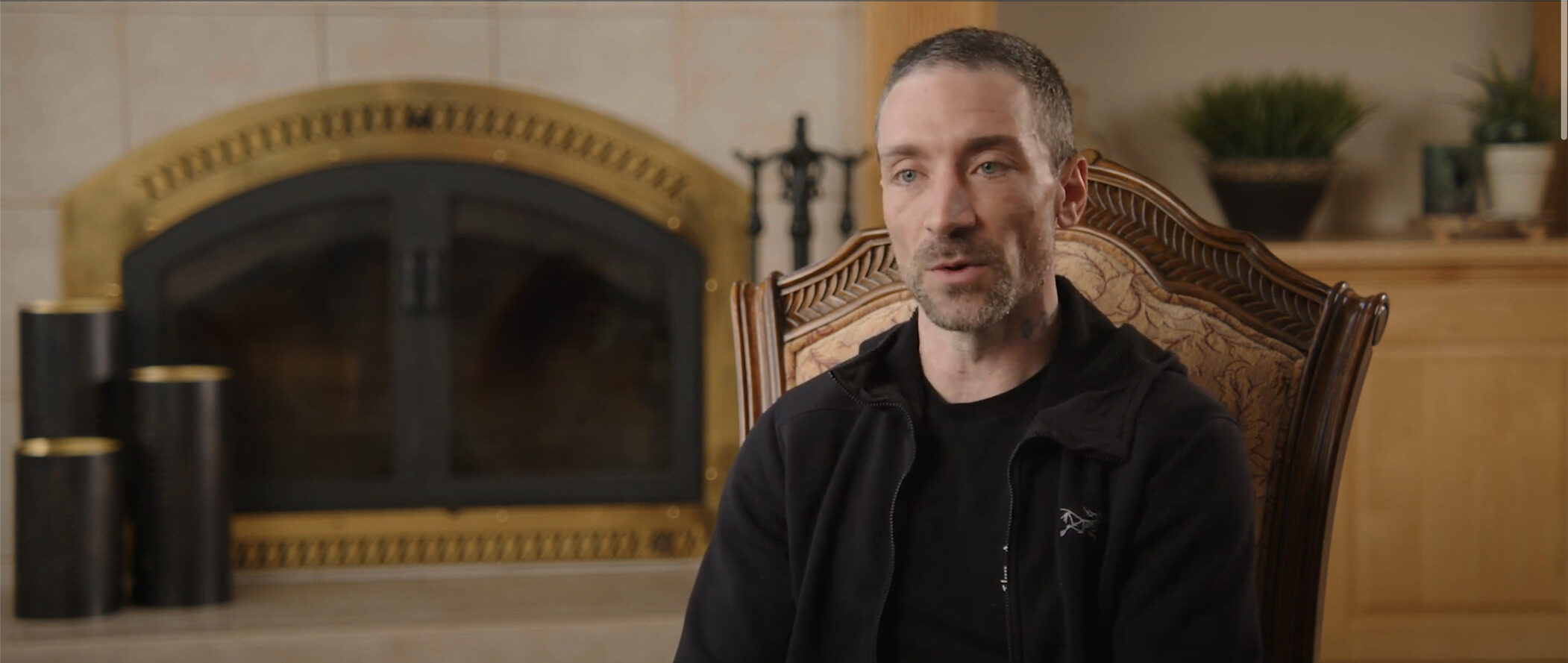
There was no time that Nick was ever unavailable for me. That’s what I call a friend. That is somebody who cares.
Past Client of BoatLaw Commercial Fisherman, Southeast Alaska


Our Practice
Learn about the practice of admiralty and maritime law, the people we represent, and the types of accidents and injury cases we handle.

- Admiralty Jurisdiction Extension Act
- Boating Accidents
- Charter Boat Accidents
- Death on the High Seas Act
- Immigration and Maritime Litigation
- In Rem Claims Against Vessels
- Jones Act
- Duty of Reasonable Care
- Failure to Put Procedures in Place
- Jones Act Statute of Limitations
- Negligence of Crew
- Who Qualifies for the Jones Act?
- Willful Misbehavior
- LHWCA
- Longshore Claims
- Limitation of Liability Act
- Lost Wages
- Maintenance & Cure
- Defenses
- Motion to Compel
- Motion to Reinstate
- Marine Insurance Claim
- Maritime Employment Contracts
- Maritime Law Glossary
- Maritime Salvage
- Outer Continental Shelf Lands Act
- Public Vessels Act
- Seaman’s Manslaughter Statute
- Seaman’s Protection Act
- Third Party Negligence Claims
- Unseaworthiness
- Wrongful Death
- Vessel Negligence Claims under 33 U.S.C §905(b)
- Vessel Sinkings
- What is a Maritime Injury Lawyer

- Ammonia Leak Injuries
- Amputations
- Assault
- Back Injuries
- Broken Bones
- Burn Injuries
- Coronavirus on Cruise Ship
- Crush Injuries
- Frostbite
- Head Injuries
- Knee Injuries
- Loss of Hearing
- Lost Limbs / Amputated Fingers
- Defenses to Negligence Claims
- Lung Disease
- Mesothelioma
- M&C Punitive Damages
- Maritime Electrical Accidents
- Medical Expenses
- Medical Negligence
- Neck Injuries
- Offshore Injuries
- Damages
- Pain and Suffering
- PTSD
- Repetitive Use Injuries
- Right to Compensation
- Shoulder Injuries
- Spinal Cord Injuries
- Traumatic Brain Injuries

- Bait Chopper Injuries
- Barge Accidents
- Basket Transfer
- Blindness and Vision Impairment
- Boat Collisions
- Cargo Operations
- Cargo Ship Accidents
- Commercial Fishing Accidents
- Conveyor Belt Injuries
- Crab Boat Injuries
- Crane Accidents
- Cruise Ship Injuries
- Dangerous Equipment
- Deck Accident
- Defective Equipment
- Dinner Boat Accidents
- Dredge Accidents
- Dry Dock Accidents
- Engine Room Accidents
- Explosion at Sea or in Port
- Factory Processing Accidents
- Factory Trawler Accidents
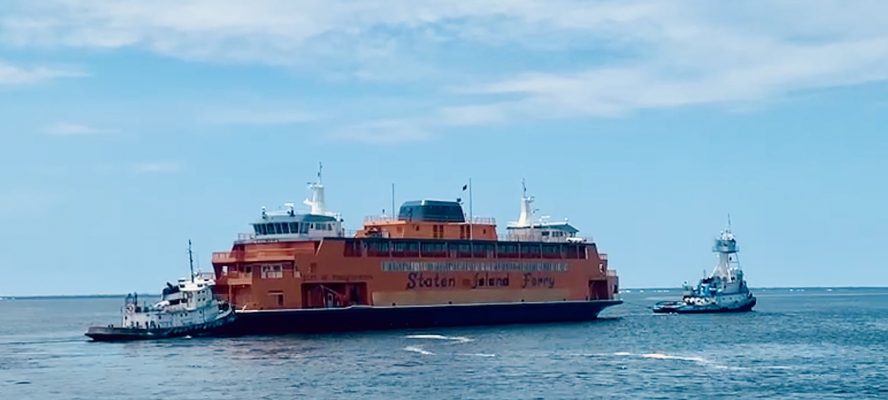
- Ferry Accidents
- Gangway Accidents
- Hypothermia and Drowning
- Inadequate Training or Safety Measures
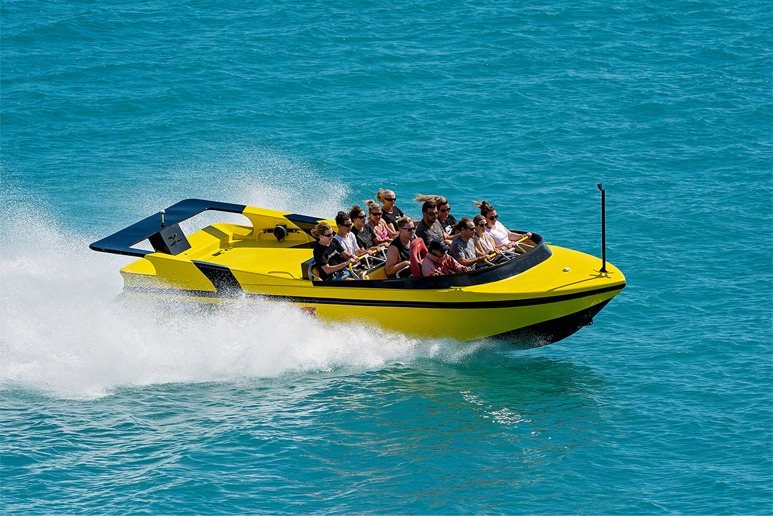
- Jet Boat Accidents
- Jet Ski Accidents
- Longliner Accidents
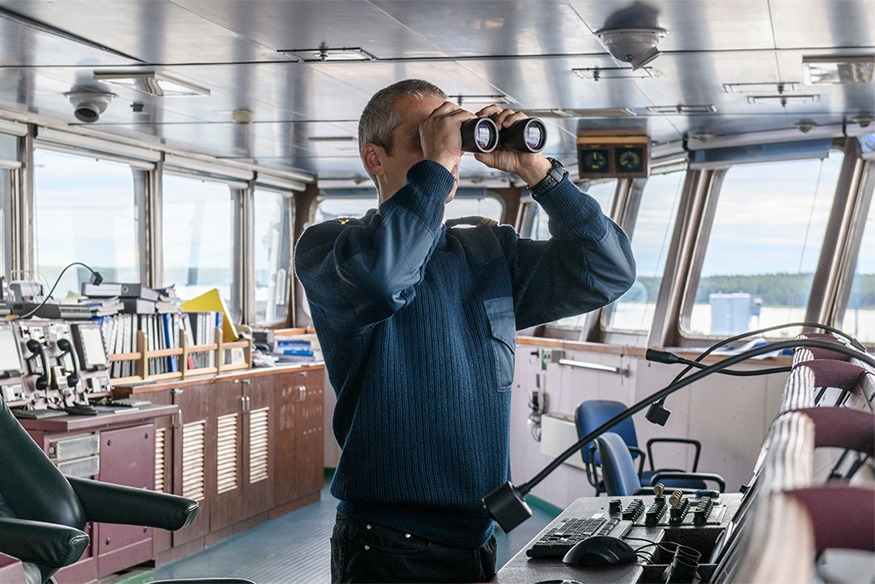
- Marine Pilot Accidents
- Mooring Line Accidents
- Oil Platform Accidents
- Oil Rig Accidents
- Port Collision
- Collision Regulations
- Shipyard Accidents
- Slip and Fall / Trip and Fall
- Toxic Exposure
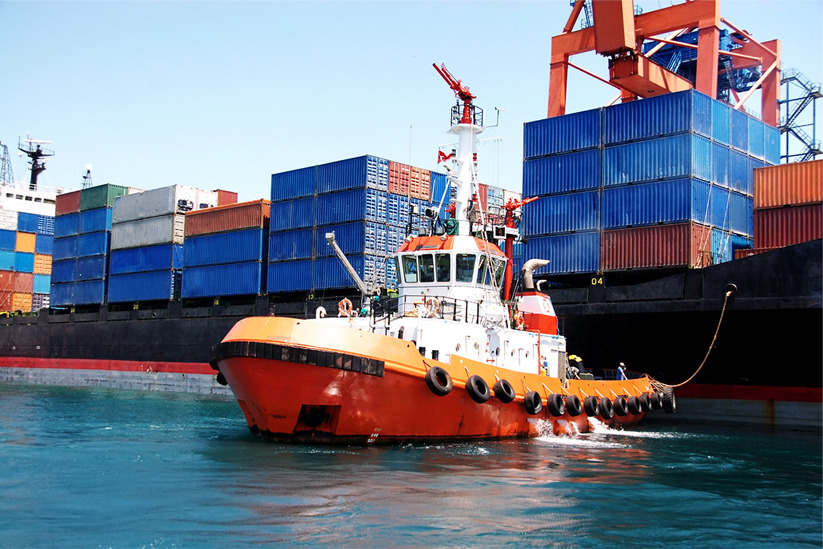
- Tugboat Accidents
- Unsafe Working Conditions
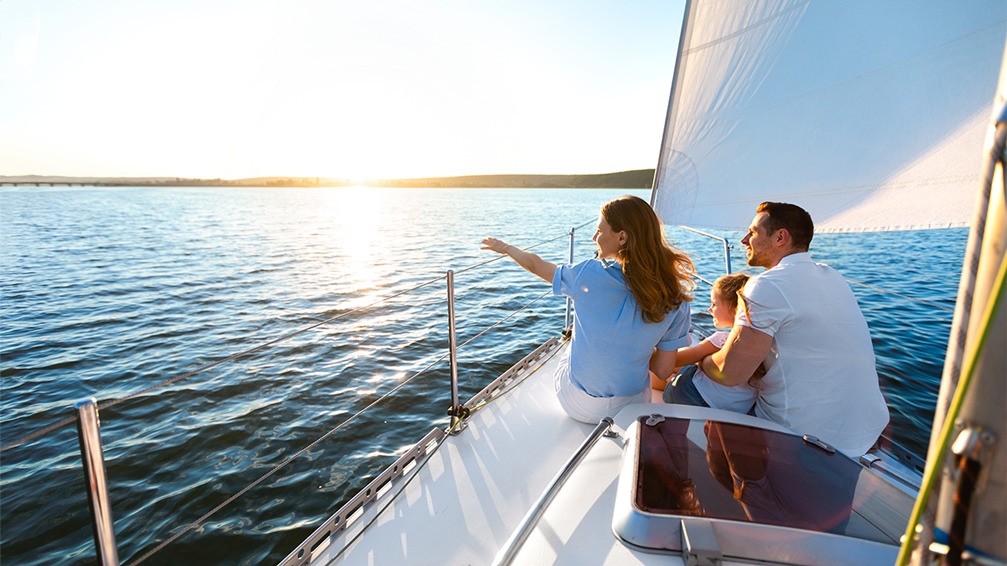
- Yachting Accidents
People We Represent
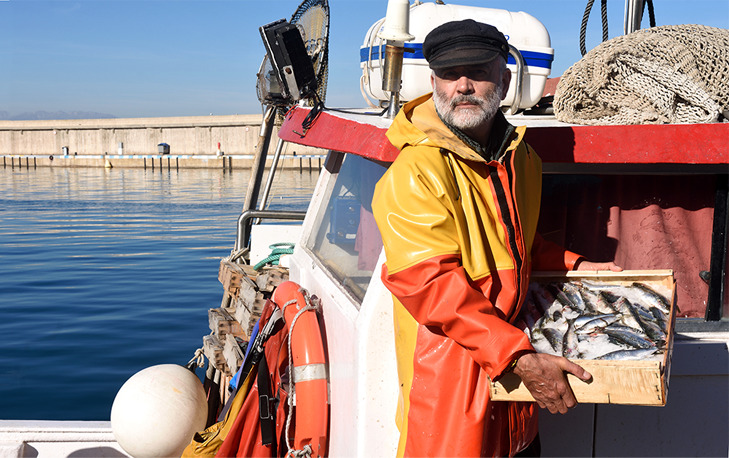
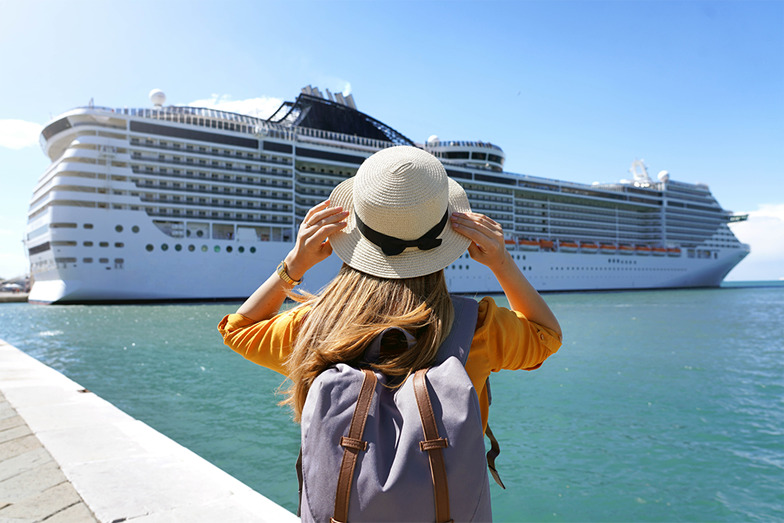
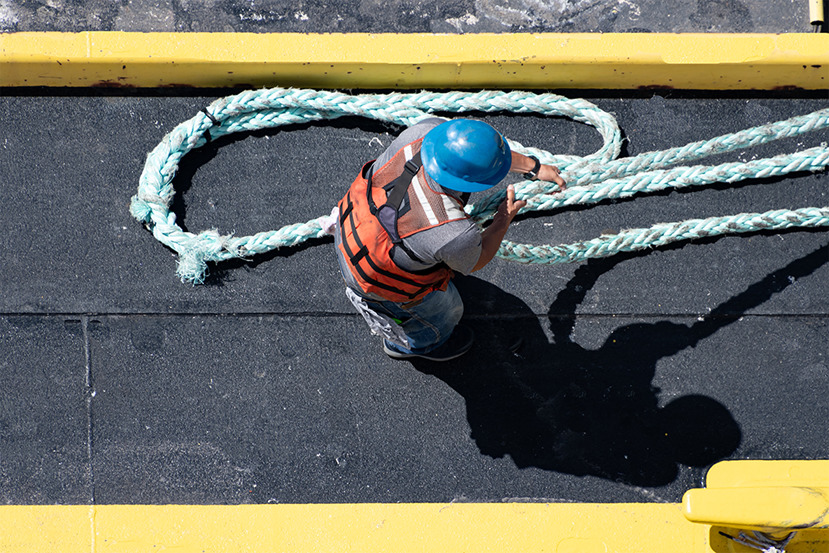
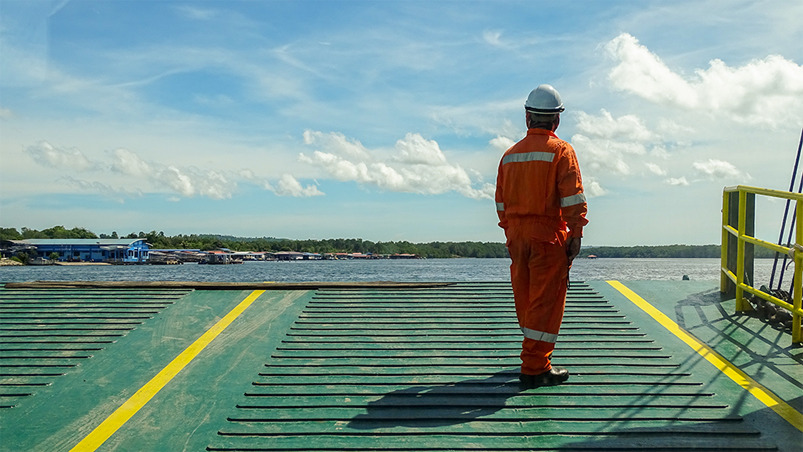
Learn about the brave men and women of the maritime industry and their occupations.



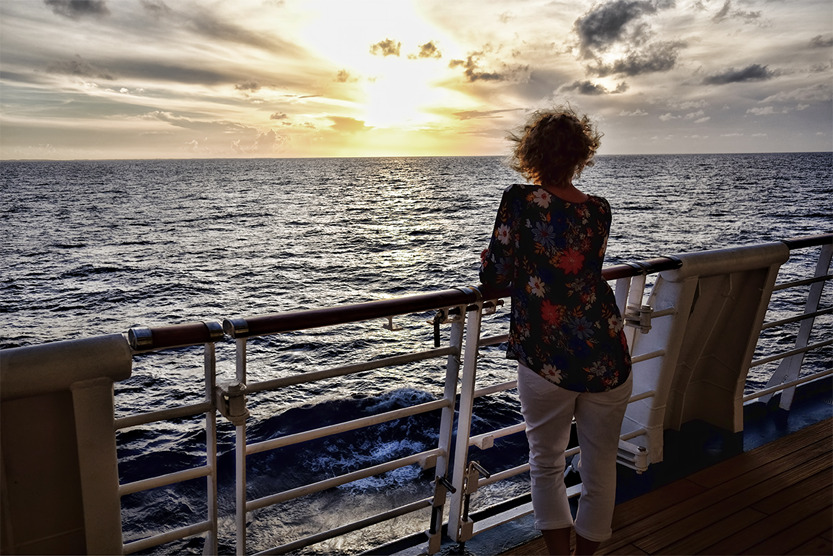
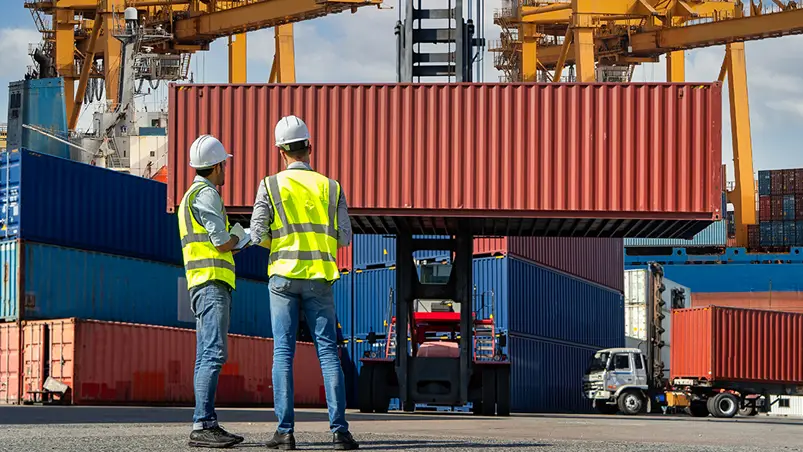

BOATLAW, LLP
BoatLaw, LLP proudly fights each day for those who brave the perils of the sea. With over 30 years of combined experience, Douglas Williams and Nicholas Neidzwski have committed themselves to this mission for decades.
As the old adage goes, “Amateurs built the Ark, professionals built the Titanic.” We are always striving to grow and improve. In this pursuit, we prepare with humility and perform with confidence.
Proud members of




Our Office Locations
From 5 convenient office locations, BoatLaw serves maritime clients up and down the West Coast.

Areas we serve
23 Bellwether Way, Suite 101 Bellingham, WA 98225
85 S Washington St, Suite 308 Seattle, WA 98104
519 SW Park Ave, Suite 419 Portland, OR 97205
201 Spear St, Suite 1100 San Francisco, CA 94105
704 South Spring St, Suite 1101 Los Angeles, CA 90014
Our Attorneys
Read the biographies of each of our dedicated maritime lawyers by using the links below.
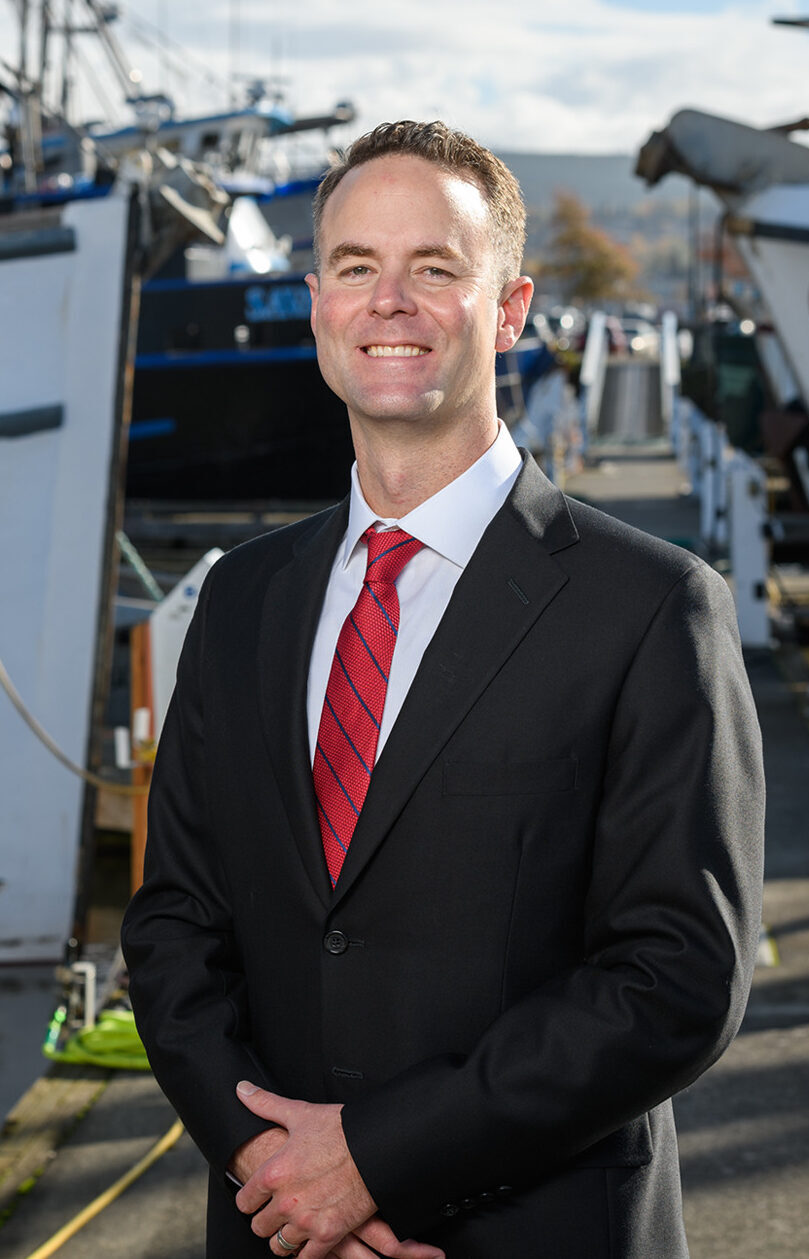
Douglas R. Williams
Partner - BOATLAW, LLPDouglas R. Williams was raised in a military family. After retiring from the armed forces, his father sailed as the chief medical officer with many of the most popular cruise lines, including Holland America Line, Carnival Cruise Line, Disney Cruise Line, and Norwegian Cruise Line. When not in school, Doug spent a good part of his youth in the crew quarters sailing with his father on cruise ships. He developed a practical knowledge of the maritime industry from a young age.
Doug attended Washington & Lee University in Virginia where...
continue reading »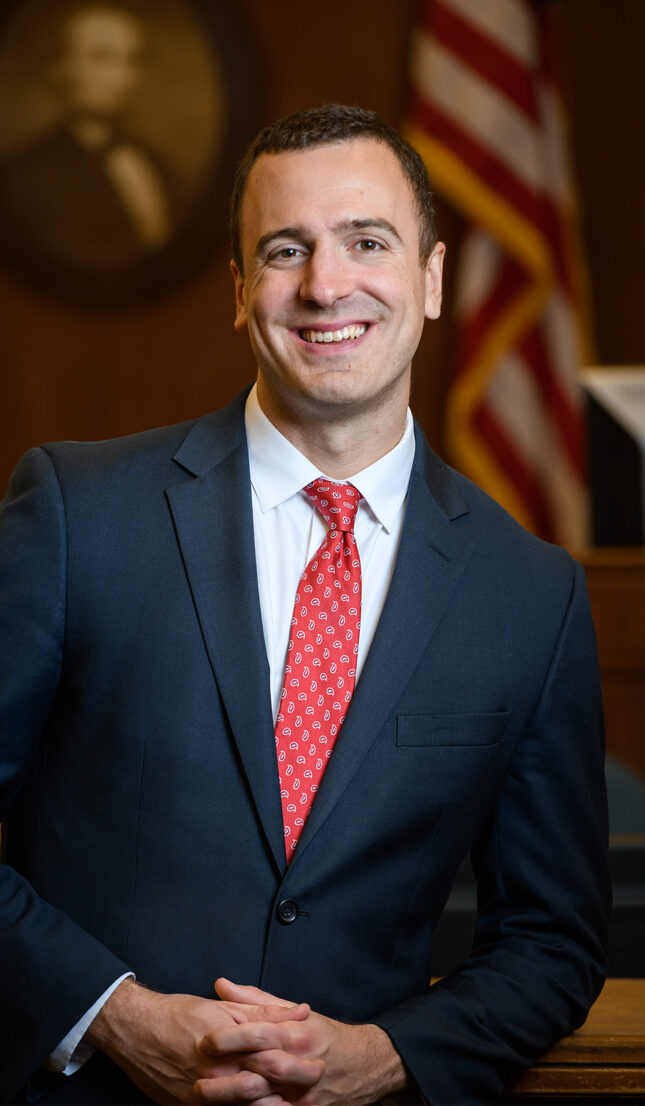
Nicholas J. Neidzwski
Partner - BOATLAW, LLPNicholas J. Neidzwski is a trial attorney who handles maritime and personal injury litigation. Appearing for plaintiffs in state and federal courts throughout Washington, California, Oregon, Alaska, and other jurisdictions, Nick’s litigation experience includes the successful resolution of various Jones Act, general maritime, and product liability cases on behalf of many different individuals. Nick was named a Rising Star by Super Lawyers 2016 through 2024.
Nick’s pro bono practice focuses on Skagit County Teen Court, aiding the representation of teenagers and mentoring high school students involved in the program.
Nick...
continue reading »Our Maritime Blog
Read about recent news and issues impacting maritime law and hear BoatLaw’s take on important maritime topics.

Request Your Free Consultation
Use the form below to request a free consulatation to discuss your case.
Welcome to BoatLaw
Your admiralty and maritime law firm serving the Pacific Coast of the U.S.A.
- BoatLaw Mission Statement
- Maritime Law in the United States
- Decades of Experience in Routine and Complex Maritime Accident Cases
- Top 6 Things for Injured Seamen and Maritime Workers to Keep in Mind
- Maritime Lawyers Practicing Civil Trial Law in US Federal Courts
- Your Rights After a Maritime or Longshore Accident
- Hiring a Maritime Lawyer in Washington, Oregon, Alaska or California
BoatLaw Mission Statement
DILIGENCE – We have never been, and never will be, a volume firm. Your case will not be just another number; rather, you will know us and our team well and we will know you well. At all times, your case will be treated with care and with recognition of its uniqueness.
BELIEF IN OUR CLIENTS – Our clients are our greatest resource, and we will spend the time, energy, and resources necessary to understand your entire story, your case, and earn the best possible result for you. We relentlessly pursue success. Through the way, we will be compassionate, pragmatic, and respectful.
PROVEN SUCCESS – Our track record of success for decades demonstrates our expertise and our steadfast commitment to crewmembers, passengers, and their families. Our expertise in maritime law is combined with an attitude of openness and eagerness (otherwise known as a “beginner’s mindset”), tailoring our approach to your unique case.
Maritime Law in the United States
Technology has done much to automate traditional worker roles throughout the decades, but it can never replace the hardworking men and women who work tirelessly on or around sea vessels. Maritime workers, including seamen and longshoremen, continue to bear the heavy and often hazardous burden of working in the maritime industry.
Safety training and proper equipment, when employed, can help minimize the occurrence of an accident, but human error, dangerous ship conditions, and the unpredictability of Mother Nature can quickly lead to a serious accident. What happens to the fish processor with constant pain from a repeated stress back injury? The deckhand who cannot handle lines anymore due to a ruptured disc? The grieving wife who lost her husband in a vessel sinking?
Both federal and state civil court systems in Washington, Oregon, California, and Alaska, allows victims of maritime
accidents and their loved ones to pursue compensation after an accident. The seaman can bring a legal action against the employer. Longshoremen may also seek a third-party claim against the shipowner for injuries sustained aboard vessels.
Claims for money damages can also be brought against third-party vendors or contractors who can be held liable under the general maritime law for industrial accidents that cause injuries to maritime workers.
Pursuing the compensation you or your loved one need does not have to add to your already heavy burden. An
experienced maritime lawyer in Seattle, Bellingham, San Francisco, Portland or Los Angeles can hold the employer and any other relevant parties accountable for the injuries you sustained.
Maritime attorneys Douglas Williams and Nick Neidzwski at BoatLaw, LLP can help you navigate through these difficult times and find a resolution that provides reasonable compensation in both the short-term and long-term. You have suffered enough – it’s time to let somebody else fight on your behalf.
Decades of Experience in Complex Maritime Accident Cases
Our law practice here at BoatLaw, LLP spans up and down the west coast of the USA. With 5 convenient office locations in: Seattle, Bellingham, San Francisco, Portland and Los Angeles, our maritime attorneys understand what it takes to prepare a strong case and spare no reasonable expense in fighting for your rights. Our attorneys are both have d
ecades of experience practicing civil litigation and civil trial law. Our focus is the pursuit of jusgice on behalf of our
clients. Protecting the rights of injured maritime professionals from San Diego to the Pacific Northwest to the Alaska Coastline. From the moment you first contact our personal injury firm, you can see our commitment towards your cause.
Maritime law can be complex – it is in your best interests to work with an attorney highly focused on this aspect of the law. At BoatLaw, LLP, we have successfully recovered millions of dollars in compensation for clients in a wide variety of maritime cases across the North Pacific and Atlantic coasts, including the Gulf of Alaska and the Bering Sea. We confidently pursue your maritime claims against the largest companies in the maritime industry and their insurance companies.
Our experience extends to accidents involving slip and falls, explosions, factory processing accidents, equipment defects, unsafe ladders/causeways, port collisions, crane accidents, inadequate safety training, decompression related injuries, and unsafe working conditions.
We have seen firsthand the impact that a serious accident can have both physically and mentally. Lost limbs, head injuries, back injuries, repetitive use injuries, shoulder injuries, spinal cord injuries, and chemical burns aren’t uncommon in the fast-paced maritime world. However, there is no excuse when the accident was caused because of the negligence of the employer or another third party.
Maritime attorneys Douglas Williams and Nick Neidzwski at BoatLaw, LLP are proud to continue fighting for justice on behalf of commercial fishermen, dock workers, deckhands, ferry workers, oil rig workers, commercial divers and
merchant mariners.
Six Important DOs and DON’Ts for Injured Seamen and Maritime Workers
After an accident, your world can quickly turn upside down. With the stress of worrying about your injuries and your ability to work, you may inadvertently do something that can hurt your future legal case. There are actions and inactions that can impact your chances of receiving reasonable compensation for the losses caused by your injuries.
Following an accident, keep the following in mind:
Do report your accident to your supervisor. Even if you don’t notice the severity of your injury until the next day, it’s important to complete an accident report or make an entry in the vessel’s logbook. Ask for a copy of anything you sign. If your vessel has a medical officer, speak with him or her about what care is available onboard and discuss when you can seek professional help at the next port.
- Do see a doctor as soon as you’re able after an accident. Obtaining the care you need is your primary concern. Make sure to explain to the doctor or nurse how your injury occurred. This will assist the physician in diagnosing your condition and also creates another level of documentation for your injury claim. You are entitled to be treated by a doctor of your choosing. Under the Maintenance and Cure doctrine, medical expenses will be covered by your employer.
- Do NOT give a statement, official or otherwise, to your employer or their insurance company. While you may have a positive relationship with other crew members, this does not mean they are on your side. Your words may be used to build a case against you by your employer and its insurance company.
- Do consult with an attorney before agreeing to a settlement. Maritime businesses and their insurance companies are concerned with their profits and bottom line. Paying you fair and honest compensation for your losses is not how insurance companies make money. They may shortchange you, leaving you high and dry down the road. An experienced attorney will make sure you’re not being taken advantage of.
- Do NOT go back to work until you are physically and mentally recovered. You may feel pressure from an employer to hurry back. Do not return to work without clearance from your personal physician. You do not want to aggravate your injuries and potentially sustain permanent damage. If you are pursuing a legal claim, consult with your attorney about your options.
- Do file a maritime accident claim as soon after the accident as possible. Not only are you limited in the time you can act and file a claim after an accident, a lengthy delay can weaken your case in some situations. Keep in mind that certain evidence, statements, and documentation are time-sensitive and can affect your available legal options.
- Do Speak with a maritime lawyer in Washington, California, Oregon or Alaska who you can trust to represent your interests. Our lawyers can give you legal advice that will help you navigate your general maritime law and Jones Act claims.
Our maritime lawyers with offices in Bellingham and Seattle, WA, San Francisco and Los Angeles, CA, and Portland, OR, have successfully represented many clients throughout the years, recovering millions of dollars.
The attorneys understand that no two cases are the same. Even if the general circumstances that resulted in the injuries are similar, it is the smallest details that can make the difference in establishing liability and obtaining maximum compensation for your damages.

Maritime Lawyers Practicing Civil Trial Law in US Federal Courts
Through the years, maritime attorneys Douglas Williams and Nick Neidzwski at BoatLaw, LLP have earned an
outstanding reputation throughout Washington, Oregon, Alaska, and California. Our attorneys provide honest and hardworking representation for those affected by maritime accidents.
We focus exclusively on maritime cases and regularly represent merchant mariners, commercial fisherman,
dockworkers, processors, and other maritime workers from a variety of backgrounds all along the coast. Our clients understand that when we take on their case, we mean business.
We understand your concerns during these uncertain times. Perhaps you’re unsure if a full medical recovery is possible much less how long it will take. You’re concerned about how you will recover the wages you’ve lost while you are out of work letting your injuries heal. Perhaps you’re worried that you will be blackballed from future employment if you
exercise your right to legal action. When you’re pressured to return to work, but you don’t feel you’re ready, this can quickly turn into a storm of stress. The law firm of BoatLaw, LLP is here to help.
We pride ourselves on our proactive and thorough approach to every case we take coast-to-coast. We conduct a full investigation into the liability issues in every case as well as a complete examination of the medical consequences of the accident. Our dedicated admiralty lawyers are experienced trial veterans and strategic negotiators. Whether your
situation benefits most from trial or settlement, we will vigorously pursue your goals and fight for maximum compensation.
With offices in Seattle and Bellingham, Washington, San Francisco and Los Angeles, California and Portland, Oregon, this maritime law firm is ready to start fighting for you. Over the past quarter-century, our lawyers have handled
hundreds of cases of shipboard injuries, portside accidents, and wrongful death from coast to coast.
Our attorneys are experienced in both trial and appellate practice in state and federal courts in Washington, Oregon, Alaska, California, Florida, and even the Supreme Court of the United States resulting in court decisions establishing
important maritime precedents.
Your Rights After a Maritime or Longshore Accident
Injured maritime workers and the immediate family members of those who perish at sea can pursue legal recourse under the Jones Act, the Longshore and Harbor Workers’ Compensation Act, the Death on the High Seas Act, and general maritime law. These laws give injured seamen and dockworkers the right to pursue legal action and collect compensation under:
- Jones Act – The Jones Act, or Merchant Marine Act of 1920, helps seamen who are injured at work recover for their injuries. It covers claims for negligence in which an employer or your coworker fails to act within their expected duty of care. The Jones Act imposes liability upon maritime employers for injuries to crewmembers whenever the proof justifies the conclusion that the employer’s negligence played any part, even the slightest, in producing the injury for which damages are sought.
- Longshore and Harbor Workers’ Compensation Act – The LHWCA covers longshoremen, dock workers, crane operators and other land-based maritime employees. It operates similarly to landside workers’ compensation in that it automatically entitles employees injured on the job to benefits while they are undergoing medical care.
- Death on the High Seas Act – DOHSA allows family members and loved ones to recover if a seaman or passenger is killed outside the territorial waters of the United States. While DOHSA does not cover loss of consortium, it does allow loved ones to recover for funeral expenses, loss of support, and other monetary losses.
- General Maritime Law – If you or your loved one’s injury is not covered under a specific statute, it is likely covered under the general maritime law. Under general maritime law, you are guaranteed a right to maintenance and cure and unearned wages. This means that, after an injury or an illness, you should receive payments for your medical care while you recover. Additionally, general maritime law provides a cause of action for unseaworthiness when a ship or its equipment is not reasonably fit for its intended purpose.
Who to file your claim against and where depends greatly on the specific circumstances and the applicable law. For instance, a Jones Act negligence claim is filed against your employer, while an unseaworthiness claim is filed against the ship’s owner. Typically, we will file claims against both the employer and ship’s owner and argue both causes of action to help you receive the full compensation you need.
Hiring a Maritime Lawyer in Washington, Oregon, Alaska or California |BoatLaw, LLP
We maintain offices in Bellingham and Seattle, Washington, San Francisco and Los Angeles, California, and Portland, Oregon. Maritime attorneys Douglas Williams and Nick Neidzwski at BoatLaw, LLP share a love of the sea and has a stake in protecting the rights of members of the maritime community. Our clients come from all walks of life, backgrounds, and cultures.
Call 1 (800) 262-8529 (1-800-BOATLAW) to schedule your consultation, one-on-one with an attorney at BoatLaw, LLP today. Your initial discussion with a qualified attorney (and never a paralegal or law clerk) is a prime opportunity to learn more about your legal options in a no-pressure setting.
We always encourage our clients and even prospective clients to make the most informed decision. Providing information is critical to making this happen. Our firm is ready to help you today.